Do You Suffer From Telephone PTSD?

In prehistoric times, when a telephone rang in a home, all denizens would joyously scurry towards the device as if it were Santa Claus descending their chimney with a satchel full of gifts. Prior to the invention of caller-ID, while the telephone was ringing… wait for it… you did not know who was calling. You had to pick up the phone in order to find out.
Imagine! How uncivilized!
That unique and ubiquitous “ding-aling-aling” chimed with human possibility, of delightful connection and ecstatic serendipity. It could be bringing good news from afar, a friend proposing a spontaneous adventure, or the promise of a lover calling to schedule a secret rendezvous. The sound itself had a Pavlovian charge that caused the recipient to salivate with the hope of having their soul nourished.
Of late, something has profoundly shifted and the same sound that once lifted our hearts now tightens our sphincters. Modern notifications with their accompanying vibrations evoke panic and dread rather than wonderment. Where once it meant “opportunity,” now it signals “attention demand.” In the attention economy, every notification is a distraction from whatever fire we are already attempting to extinguish. The semiotics of sound have inverted completely from connection to constriction.
If you checked my phone log you would find that the highest number of incoming calls are from Mr. Scam Likely. Those are easy to decline. But the numerous calls from Ms. Unknown Caller asking to speak to the Business Owner to sell us a cleaning service or a free cruise suck more and more time out of our days. What was once a portal to relationship has become corrupted into an instrument of scam.
The worst form of torture for laboratory rats is unpredictable intermittent shocks. With phones in our pockets we are submitting to the worst form of torture every waking moment.
Scroll while sitting on the toilet? Check your email while waiting at a stop light?
Nietzsche relished the “windless calm” of boredom as essential for creative work; today we have normalized the torment of relentless stimulation.
What was your screen time today in contrast to your waking hours? Did you check a device before or after you got out of bed this morning?
Might we be over-connected?
Have we become dopamine-swipe addicts?
Note the increasing trend of people silencing notifications, especially phone calls. If our nervous systems are being constangly assaulted with pings and shocks that bring unsolicited and unpleasant news, could “Telephone PTSD” one day become a diagnosis?
In this altered psychic ecology, silencing one’s phone is therapeutic. It represents a reassertion of agency over the attentional commons of one’s consciousness. Muting notifications is a way to reclaim one’s own nervous system.
Maintaining psychological hygiene and is an act of existential agency, a rebellion against the commodification of our attention. What I call “Telephone PTSD” is really a symptom of a deeper pathology — the colonization of our nervous systems by economic incentives.
Mindfulness now must entail installing filters to improve the signal-to-noise ratio of what impinges on our brains. To remain sane in a stimulus-saturated world we must become shepherds of our own awareness and ruthlessly filter out the noise.
The smartphone fuses marketplace and consciousness so seamlessly that intrusions feel intimate but are ultimately transactional. When an unwanted sound jolts us, it is not merely a phone that rings but the societal call-to-arms of our competitive, co-opted participation in our new religion, capitalism and capitalist consumption.
This is why the silence we now crave — the blessed and pristine stillness of Do Not Disturb mode — feels almost sacred. It resembles the quietude our ancestors sought in monasteries and meditation halls. Today it exists behind a digital switch in the settings menu. Technological minimalism has become the new priesthood; a renunciant no longer retreats to the mountains; she merely turns off notifications.
The shift from delight to dread reflects more than cultural nostalgia. It signifies a collective psychic adaptation to an environment of overstimulation and betrayal. Every new technology arrives promising liberation and instead delivers subtler enslavement.
The fact that we now flinch when our pocket buzzes does not bode well for the future of humanity. The muted phone is not an emblem of alienation but of adaptation: it is an evolutionary response to a world that never stops ringing off the hook.
—
Previously Published on Medium
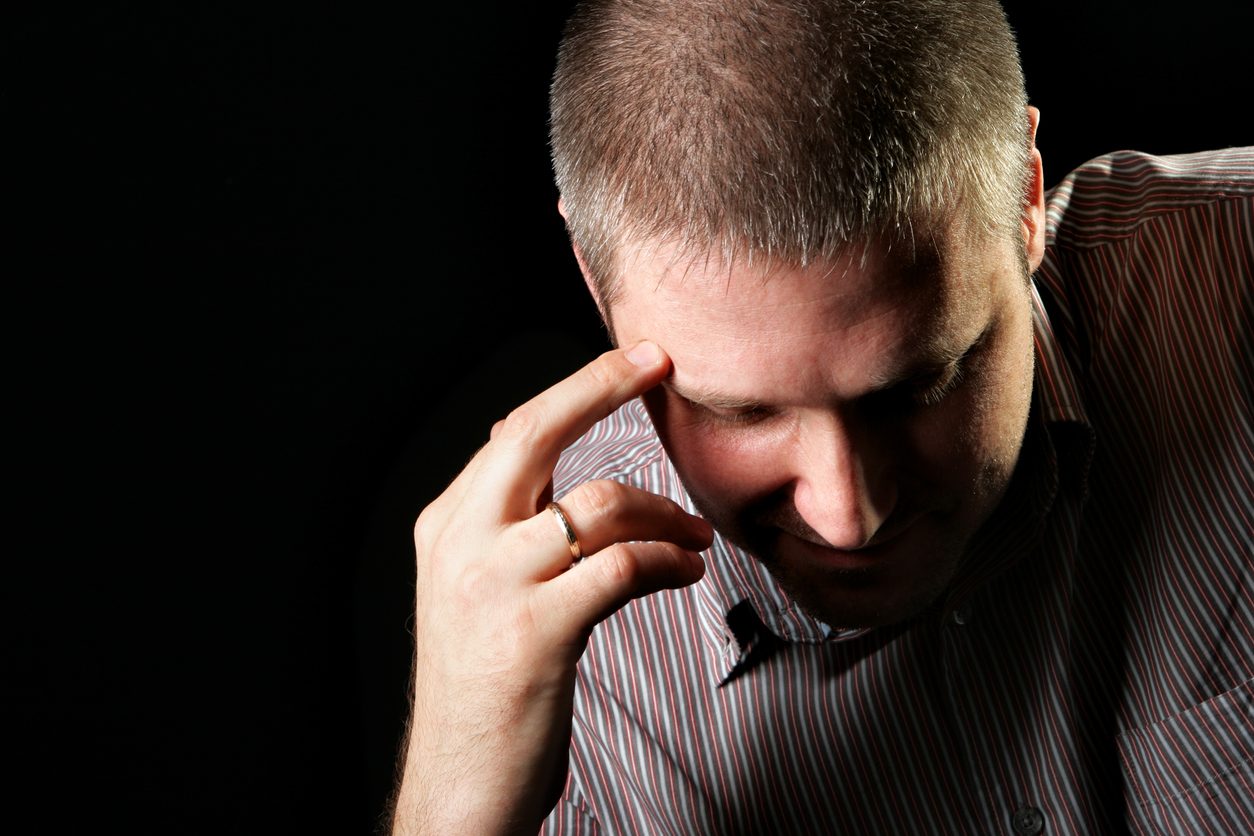
iStock image
Publisher: Source link