
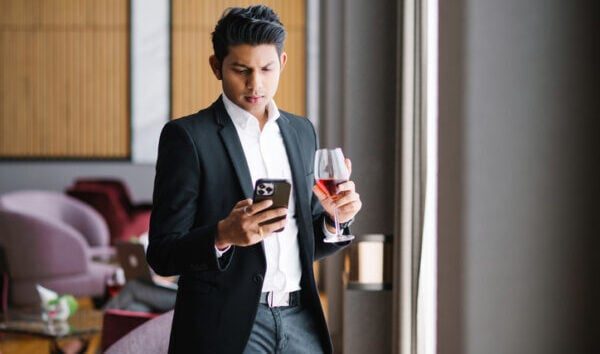
They say alcohol takes more from you. For a long time, I liked to believe that I had taken more from alcohol. Once the day’s work was over and the evening glass was poured, my “15 brains” would suddenly wake up. The day’s tension would ease, my inner critic would fall silent and thoughts would begin to flow. At times, I would even offer “super-wise” advice to anyone willing to listen. The glass felt less like a drink and more like a key. It seemed to open a room in my mind that remained shut during the rush and pressure of the day.
But there was one condition: I had to earn it.
Before reaching for the glass, I would put myself through a hard gym session, a long run or strenuous calisthenics. Sweat first, pleasure later. The harder I exercised, the more deserving I felt of the reward. It was a convenient understanding between the barbell and the bottle.
The Reward After Exercise
I never considered the evening glass just another drink. In my mind, it was a reward for all the effort I had left on the gym floor. I had trained hard, tested my stamina and done something good for my body. Surely, I told myself, a measured drink could not undo all of that. It also gave me something to look forward to. On days when I felt like skipping exercise, the promise of relaxation afterwards sometimes pushed me into the gym. If the drink encouraged me to exercise, could the final result not still be positive?
For a while, this logic made perfect sense. The gym meant effort. The glass meant enjoyment. One demanded grit; the other offered release. But the body does not always agree with the deals made by the mind.
Exercise is good for us, but it does not give us a free pass for whatever follows. A hard workout cannot erase the effects of alcohol. Food, water or a suitable gap after exercise cannot turn drinking into a healthy activity. The two do not cancel each other like entries on opposite sides of a ledger.
That was the flaw in my otherwise attractive calculation.
Did Alcohol Really Make Me Think Better?
I also believed that alcohol helped me think better. It certainly made me feel less inhibited. Stress receded, hesitation weakened and ideas seemed to come more easily. But feeling confident is not the same as thinking clearly. An idea that sounds brilliant at night can look quite ordinary the following morning. Alcohol did not create 15 brains. It simply made the existing one less critical of its own performance.
Even so, the experience was not completely imaginary. Some good ideas did emerge during those quiet evening hours. My mistake was giving the drink all the credit. Throughout the day, the mind collects material—from reading, observing, working, meeting people and dealing with life. Once the outside noise settles, those thoughts finally get some space to come out.
Perhaps alcohol was not the key after all. Perhaps it was the pause.
The glass had become my permission to stop working, sit quietly and let my thoughts wander. It separated duty from rest. Over time, I may have mistaken that evening ritual for the source of creativity itself.
Alcohol did not furnish the room. At most, it appeared to open the door.
When a Reward Needs Too Many Explanations
There is a difference between enjoying something and constantly finding reasons to defend it.
The moment we start calculating how much exercise is needed to “earn” a drink, perhaps we are already negotiating with ourselves:
I exercised, so I deserved the glass.
I worked hard, so I needed it.
I remained fit, so it could not be affecting me seriously.
Each explanation sounded reasonable. Together, however, they prevented me from looking too closely at the habit. This does not mean that everyone who drinks has a problem or that enjoyment must disappear from life. It simply means that being fit does not automatically make another habit harmless. A person can be highly disciplined inside the gym and still need to question what happens outside it.
Sometimes, one good habit helps us hide another habit from ourselves.
A More Honest Kind of Discipline
I still believe that life should include pleasure. A life built entirely around restrictions can become rather dull. But pleasure should not need false calculations to defend it. The real question is not whether I have exercised enough to earn my evening drink. It is whether that drink remains a choice—or has quietly become the only way I know how to relax.
Can I find the same peace after a walk, while listening to music or simply sitting alone?
Can my “15 brains” report for duty when I am completely sober?
These questions may be less entertaining than my old philosophy, but they are more honest. The barbell and the bottle were never equal partners. One strengthened the body; the other provided temporary relief while leaving the same body to deal with its effects. No clever argument could turn them into one healthy plan.
Perhaps indulgence requires grit—but not merely the grit needed to earn it. Sometimes, the greater grit lies in reducing it, refusing it or realising that the peace we were looking for was never inside the glass.
This is a personal reflection and should not be treated as medical advice.
–
iStock image
Disclaimer: This story is auto-aggregated by a computer program and has not been created or edited by healthlydays.
Publisher: Source link