Beyond the Screen: What Every Parent Needs to Know About Teens, Social Media, and Mental Health
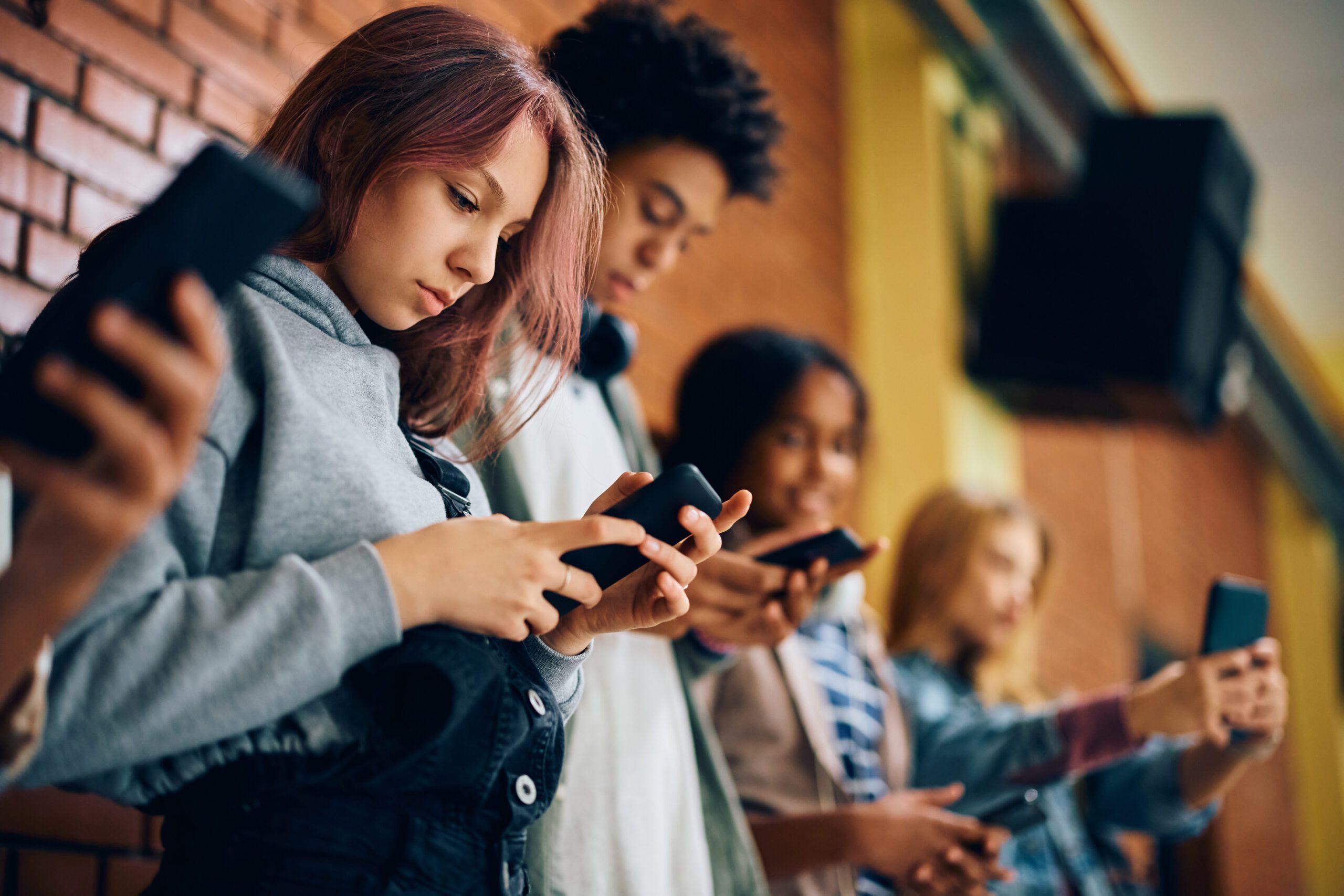
In today’s digital age, social media has done a great job of connecting people across the globe with current events, diverse perspectives, and opportunities to access supportive communities. However, as social media platforms become increasingly popular among teens, it’s important to understand the potential effects it may have on their mental health.
When social media use interferes with sleep, replaces in-person activities, or becomes difficult to control, it may be unhealthy. These patterns can contribute to increased stress, anxiety, and depressive symptoms among teens.
What Research Tells Us
The American Psychological Association reports that teens are spending an average of 4.8 hours a day on popular media platforms (ex., YouTube, TikTok, Instagram), with 37% reporting five or more hours of daily use. That means social media can take up roughly a quarter to a third of a teen’s waking hours. Among teens who reported using social media for more than 5 hours per day, 41% rated their mental health as poor or very poor. However, this relationship does not mean that social media directly causes anxiety or depression.
Researchers continue to examine how different aspects of social media use interact with a teen’s individual experiences and existing mental health. For example, research suggests that teens already experiencing depression or anxiety are more likely to be negatively impacted by social media use. These findings highlight the importance of looking beyond screen time to understand how social media interacts with the developing brain. By understanding these connections parents can better recognize potential warning signs and help their teens develop healthier social media habits.
How Social Media Interacts with the Teen Brain
Adolescence is a huge time for brain growth. But different parts of the brain mature at different speeds and become active at different rates. This can make teens especially sensitive to online rewards and social feedback.
- The Emotional Brain and Reward System (Limbic System): Highly sensitive! This part of the brain handles big feelings and reward seeking.
- The Dopamine Loop – The brain’s reward system is super sensitive during these years. Every like, comment, or notification can make teens want to check their phones for more. Dopamine plays a role in this process by driving the anticipation of what might come next. Over time, this repeated cycle of checking and anticipating can make it harder for teens to put their phones down.
- The Thinking Brain (Prefrontal Cortex): Still developing… This part of the brain supports decision-making, self-control, and consideration of long-term consequences. Because it is still maturing, teens may have more difficulty stepping away from social media.
- The Social Brain Network: Increasingly sensitive! During adolescence, the brain becomes more sensitive to how people may see, judge, or respond to them. Social media can intensify these feelings by making social feedback accessible through likes, comments, views, messages and more.
Together, these changes help explain why social media can be especially difficult for teens to navigate.
How Social Media Can Affect Anxiety and Depression
- Reassurance and Validation Seeking
- Teens may seek validation in “likes” and comments or other types of online feedback.
- When they do not receive the attention or feedback they expect, they may feel rejected, insecure, or worried about how they are perceived.
- These feelings may lead them to repeatedly check their posts for new feedback, which can increase their worry and anxiety
- Body Image and Diet Culture
- Digital filters and edited images reinforce unrealistic beauty standards. Constant comparison may create severe body dissatisfaction.
- Online diet trends can promote unhealthy beliefs about diet and body image.
- Teens may experience anxiety surrounding what to wear, or how to take the perfect “post worthy” photos.
- Social Relationships
- Excessive social media use can lead some teens to spend less time participating in in-person activities.
- When excessive social media use replaces real-time conversations, teens may experience reduced opportunities for meaningful connection, increased feelings of isolation, and a greater risk of experiencing anxiety or depressive symptoms.
- Fear of Missing Out (FOMO)
- As previously mentioned, users on social media often create a carefully crafted version of their lives that highlights their best moments. Teens compare their own experiences to those of their peers, creating feelings of disappointment or inadequacy.
- They may also come across posts about events or plans they did not get invited to, making them feel excluded and upset.
- Negative Online Experiences
- Online communication sometimes creates a distance where it’s easier for people to engage in hurtful behavior. This means your teen may be susceptible to cyberbullying, harassment, or negative comments that harm their self-esteem and create loneliness and stress.
- Misinformation and Harmful Trends
- Social media may not always monitor misinformation or harmful content effectively. Misinformation can spread quickly and become readily accepted by impressionable users.
- Misleading content, mental health misinformation, and false claims can potentially worsen symptoms of anxiety and depression.
- Harmful trends cycle through media platforms often. “Challenges” oftentimes are harmful to oneself or one’s surroundings, encouraging users to deprive themselves of oxygen, light fires, or damage public properties.
- Social media’s built in algorithms reinforce the kind of content a user engages with. This means it can create feeds with more unhealthy content, such as eating disorder content or self-harm content, just as easily as they can create feeds with helpful or supportive content.
- Sleep Disruption
- Constant engagement offered by social media can encourage users to postpone bedtime to continue using their devices.
- Stimulating or emotional content (e.g. triggering posts, arguments, distressing news) can keep teens mentally alert, making it harder to wind down and fall asleep.
- Notifications, or anticipation of them, can encourage teens to check their phones before bed or throughout the night.
Social media can play a large role in self-image, relationships, and stress management. These factors can foster feelings of loneliness, insecurity, and emotional distress, which when combined can contribute to anxiety and depressive symptoms.
Recognizing Problematic Use and Mental Health Concerns
1. Signs Social Media Use May Be Becoming Problematic
Social media use may be interfering with your teen’s well-being or daily responsibilities if you notice:
- Hiding or being secretive about social media use
- Sneaking devices after limits have been set
- Difficulty managing emotions when given screen time limits
- Frequently comparing their popularity, appearance, or lifestyle with people online
- Neglecting chores, homework, hobbies, or in-person relationships because of time spent online
- Staying up late to scroll, waking up during the night to check notifications
- Experiencing noticeable distress after social media use
2. Mental Health Warning Signs
The following changes do not necessarily mean that social media is the cause, but they may indicate your teen needs additional support:
- Losing interest in things they previously liked
- Withdrawing from friends, families or activities they once enjoyed
- Persistent irritability, anxiety, sadness, or emotional distress
- Significant changes in energy, appetite, sleep, or concentration
- Declining grades or difficulty completing everyday responsibilities
- Frequent negative comments about abilities, appearance, or self-worth
- Expressing hopelessness or talking about harming themselves.
Consider speaking with a mental health professional if these changes persist, worsen, or interfere with your teen’s daily life.
Helping Your Teen Build Better Social Media Habits
Parents do not need to eliminate social media completely. Instead, work with your teen to create realistic habits that protect sleep, relationships and emotional wellbeing. Remember to seek professional help if concerns persist.
- Encourage one regular offline activity your teen enjoys such as playing a sport, creating art, reading, or spending time outdoors.
- Establish screen-free family time, such as during meals, family activities, and the hour before bed.
- Choose a shared overnight charging spot outside the bedroom so notifications do not interrupt sleep.
- Turn off nonessential notifications or utilize “Do Not Disturb” settings during schoolwork and bedtime.
- Help your teen check their daily “screen time” report to identify what apps take up the most time. Set a realistic goal (e.g. reducing use by 20 minutes per day) or establish automatic time limits through “screen-time” settings.
- Help your teen personalize their feed by unfollowing or blocking content that increases stress, body dissatisfaction, comparison, or anger.
- Initiate conversations about what your teen sees online and how it makes them feel (E.g., “Have you seen anything interesting on TikTok lately?”, “What type of influencers do you follow?”).
- Pay attention to patterns. Notice whether your teen becomes more irritable, withdrawn, anxious, or self-critical after using particular platforms.
- Model balanced screen time habits as a parent by putting your device away during meals, family activities, and conversations.
References
- Andrade, F. C., Erwin, S., Burnell, K., Jackson, J., Storch, M., Nicholas, J., & Zucker, N. (2023). Intervening on social comparisons on social media: Electronic daily diary pilot study. JMIR Mental Health, 10, e42024. https://doi.org/10.2196/42024
- American Psychological Association. (2024, April). Social media use and mental health among teens. American Psychological Association.
https://www.apa.org/monitor/2024/04/teen-social-use-mental-health - Boer, M., Stevens, G. W. J. M., Finkenauer, C., Koning, I. M., & van den Eijnden, R. J. J. M. (2022). Validation of the Social Media Disorder Scale in adolescents: Findings from a large-scale nationally representative sample. Assessment, 29(8), 1658–1675. https://doi.org/10.1177/10731911211027232
- Konrad, K., Firk, C., & Uhlhaas, P. J. (2013). Brain development during adolescence: Neuroscientific insights into this developmental period. Deutsches Ärzteblatt International, 110(25), 425–431. https://doi.org/10.3238/arztebl.2013.0425
- Masri-Zada, T., Martirosyan, S., Abdou, A., Barbar, R., Kades, S., Makki, H., Haley, G., & Agrawal, D. K. (2025). The impact of social media & technology on child and adolescent mental health. Journal of Psychiatry and Psychiatric Disorders, 9(2), 111–130.
- Middelberg, L. K., Mason, A. E., Miller, S., Helwig, S., & McKenzie, L. B. (2025). Risky social media challenges: A scoping review, 2000–2024. Injury Epidemiology, 13(1), 1. https://doi.org/10.1186/s40621-025-00647-0
- Nesi, J., & Prinstein, M. J. (2015). Using Social Media for Social Comparison and Feedback-Seeking: Gender and Popularity Moderate Associations with Depressive Symptoms. Journal of abnormal child psychology, 43(8), 1427–1438. https://doi.org/10.1007/s10802-015-0020-0
- Rideout, V., Fox, S., Peebles, A., & Robb, M. B. (2021). Coping with COVID-19: How young people use digital media to manage their mental health. Common Sense Media & Hopelab. https://www.commonsensemedia.org/sites/default/files/uploads/research/2021-coping-with-covid 19-full-report.pdf
- Sleep Foundation. (n.d.). Blue light and sleep. Sleep Foundation. https://www.sleepfoundation.org/bedroom-environment/blue-light
Publisher: Source link