
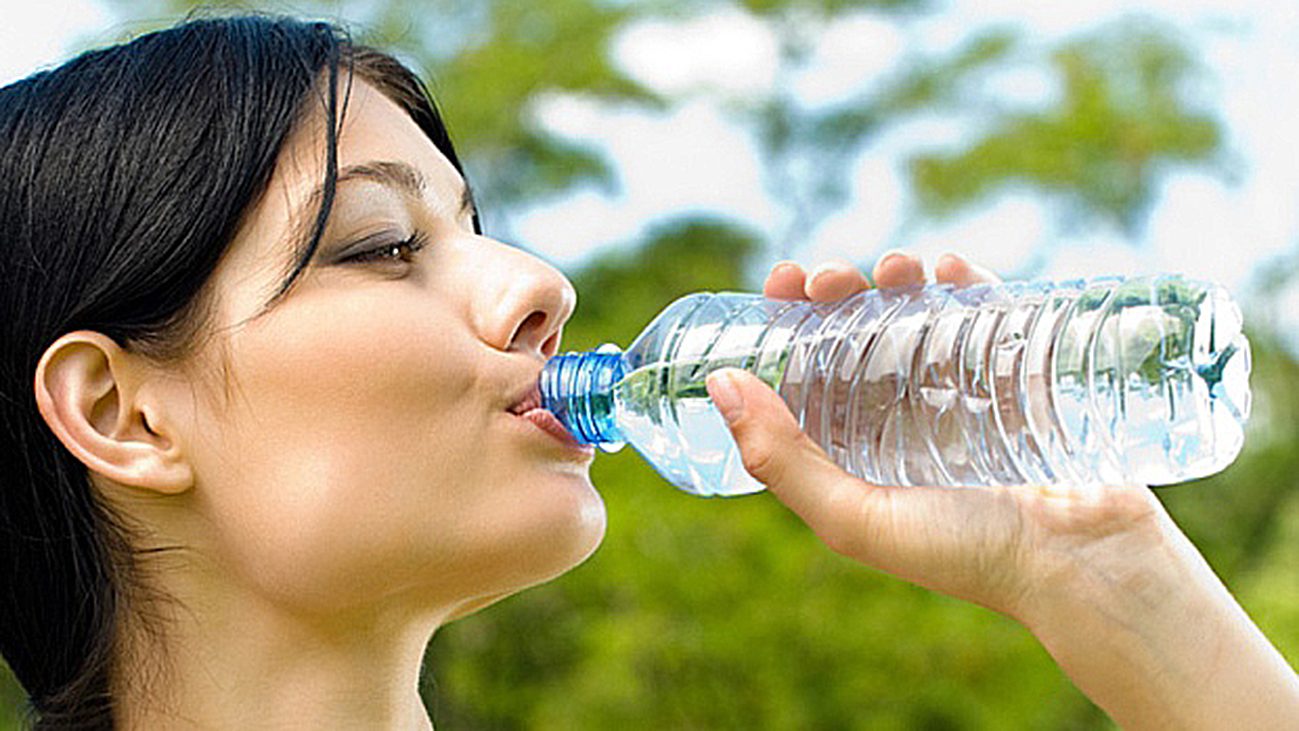
Water is the simplest wellness tool—and yet, it’s surrounded by confusion. From “8 glasses a day” rules to fear about drinking water with heart conditions, myths can prevent people from hydrating the right way. Let’s separate fact from fiction and understand how water truly supports heart health.
Myths Surrounding Water & Heart Health
Myth 1: Drinking More Water Automatically Lowers Blood Pressure
Reality:
Hydration supports healthy blood circulation and prevents blood thickening, but water alone is not a treatment for high blood pressure. Blood pressure is influenced by diet, activity, stress, sleep, and genetics. Drinking enough water helps your heart work efficiently—but it must be part of a balanced lifestyle.
Myth 2: Everyone Needs Exactly 8 Glasses of Water a Day
Reality:
There’s no one-size-fits-all number. Hydration needs depend on age, climate, activity level, diet, and health conditions. People living in hot climates, exercising regularly, or consuming more salt may need more fluids, while others may need less.
Myth 3: Only Plain Water Counts toward Hydration
Reality:
Hydration also comes from fruits, vegetables, soups, herbal teas, and coconut water. Hydrating foods like watermelon, cucumber, and leafy greens contribute significantly to daily fluid intake—benefiting heart health without overloading the system.

Myth 4: Drinking Water during Meals Is Bad for the Heart
Reality:
There’s no evidence that moderate water intake during meals harms digestion or heart function. In fact, small sips can aid digestion and prevent overeating, indirectly supporting cardiovascular health.
Myth 5: If you’re Not Thirsty, you’re well hydrated
Reality:
Thirst is a late signal of dehydration. By the time you feel thirsty, your body may already be low on fluids, increasing strain on the heart and circulation. Consistent sipping is better than waiting for thirst.
Myth 6: Too Much Water Is Always Good for the Heart
Reality:
Overhydration can dilute electrolytes like sodium and potassium, affecting heart rhythm and muscle function. Balance is a must, especially for people with kidney or heart conditions who may need fluid restrictions.
Myth 7: Caffeinated Drinks Completely Dehydrate the Heart
Reality:
Moderate amounts of tea or coffee still contribute to fluid intake. While excessive caffeine may have mild diuretic effects, it doesn’t cancel out hydration entirely when consumed in reasonable amounts.
Myth 8: Heart Patients Should Avoid Drinking Too Much Also
Reality:
Some heart conditions require monitored fluid intake, but avoiding water altogether can worsen symptoms. The right approach is individualized hydration, guided by a healthcare professional.
Water plays a quiet but critical role in heart health—but hydration is about balance, not extremes. Understanding these myths helps you make smarter, safer choices for your heart and overall well-being.
Disclaimer
The Content is not intended to be a substitute for professional medical advice, diagnosis, or treatment. Always seek the advice of your physician or other qualified health provider with any questions you may have regarding a medical condition.
Disclaimer: This story is auto-aggregated by a computer program and has not been created or edited by healthlydays.
Publisher: Source link