No, Women Aren’t Supposed to Hurt: Misconceptions About Reproductive Health Have Serious Consequences
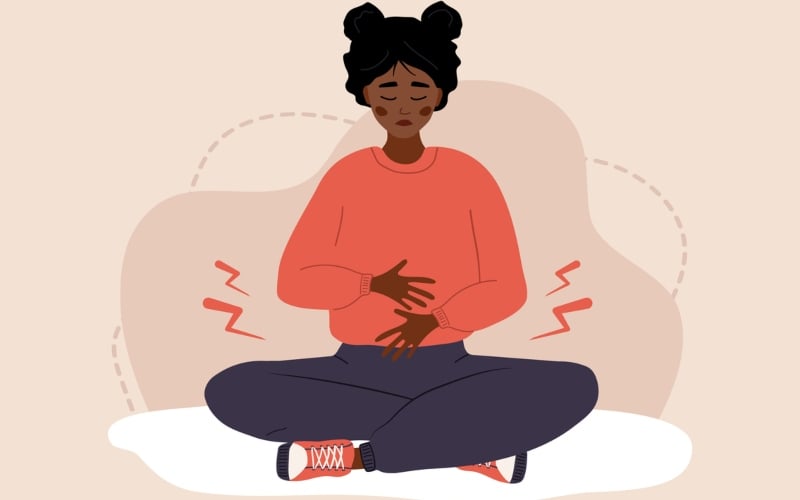
The belief that “women are supposed to hurt” is deeply embedded in Canadian culture and reflects a systems-level failure that determines who gets diagnosed, who gets believed and who gets left behind.
By Rida Ghani
The message is conveyed to millions of young women who grow up in Canada: period pain is normal; pelvic pain is normal; pushing through discomfort is normal. By the time they finally see a doctor, they have spent years minimizing their symptoms, years that come at a cost.
The belief that “women are supposed to hurt” is deeply embedded in Canadian culture and reflects a systems-level failure that determines who gets diagnosed, who gets believed and who gets left behind.
Many teenagers assume that debilitating symptoms are expected. Research shows that 60 per cent of Canadian women experience primary dysmenorrhea and 17 per cent miss school or work because of it. Yet, most never seek care because they have been taught that pain is normal.
This normalization is even more pronounced in racialized, immigrant and low-income communities, where silence around reproductive health is common and where resilience is often equated with suffering.
Pain minimization, however, has real consequences.
A large Canadian survey found that women with endometriosis wait an average of 5.4 years before diagnosis.
A BMC Women’s Health study reports that women with Polycystic Ovary Syndrome face an average delay of 4.3 years, often seeing multiple providers before anyone recognizes their symptoms.
These delays mean years of untreated pain, fertility challenges, missed school, disrupted work and growing mental-health strain.
There are several issues causing these delays:
Provider bias: Research shows that women’s pain is more likely to be dismissed or attributed to anxiety.
Poor training in gynecologic pain: Family physicians often receive minimal education on endometriosis and PCOS, despite both being common chronic conditions.
Fragmented care pathways: Young women are bounced between family doctors, walk-in clinics, gynecologists and specialists, with no coordinated system to guide them through their care.
Lack of menstrual health literacy: Many patients can’t distinguish between typical discomfort and symptoms requiring evaluation because they were never taught to do so.
But when women grow up thinking pain is to be expected, and physicians either are not trained or don’t have the time to investigate, delays are inevitable. The result is that a generation of young women live with suffering that could have been averted or treated much sooner.
There are, however, steps we can take.
Teach menstrual and pelvic pain education in schools: Teens should learn what normal menstrual cycles look like and when symptoms require medical attention.
Integrate standardized screening into primary care: Simple questions during annual visits could identify red flags early.
Build multidisciplinary women’s health clinics: Models combining gynecology, endocrinology, mental health, and pain management reduce delays and prevent patients from getting “lost” in the system.
Prioritize trauma-informed and gender-sensitive care: Validating a young woman’s pain, even briefly, increases the likelihood she will return for follow-up treatment.
Launch national public education campaigns: Normalize talking about menstrual health the way we talk about heart health or diabetes.
Pain normalization affects education, employment, fertility, mental health and long-term economic outcomes. It disproportionately harms marginalized women and widens existing health inequities.
If Canada is committed to gender equity and universal health coverage, then we must address the fact that young women’s pain too often goes unheard, not because they are silent, but because the world taught them to be.
—
Previously Published on healthydebate.ca with Creative Commons License
***
–
The world is changing fast. We help you keep up.
We’ll send you 1 post, 3x per week.
Join The Good Men Project as a Premium Member today.
All Premium Members get to view The Good Men Project with NO ADS. Need more info? A complete list of benefits is here.
—
Photo credit: iStock
Publisher: Source link